
Sign up for One-Stop Solutions

Medical and Pharmaceutical TTO Printing: Compliance, Clarity, and Resistance!

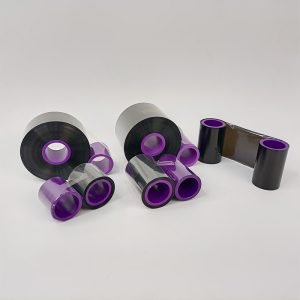
Introduction In medical and pharmaceutical packaging, printing is not just an afterthought—it’s a matter of safety, compliance, and traceability. From lot numbers and expiry dates on blister packs to barcodes on vials and medical pouches, every mark must be crisp, durable, and meet regulatory standards. That’s why Thermal Transfer Overprinting (TTO) is widely adopted for coding in these sectors. But even the most advanced printer needs the right ribbon to perform. This article explores how to select the ideal TTO ribbon for pharmaceutical and healthcare applications, and what makes ribbons like Super U and Advanced R ideal for these critical tasks. Why Printing in This Sector Demands More Labeling errors in medicine can result in legal liability, recalls, or even harm to patients. The printing system must deliver: Permanent, high-resolution codes Resistance to alcohol, sterilization, and abrasion Compliance with GMP and international labeling standards No ribbon residue or contamination risk Functionality across paper, foil, film, or Tyvek materials Key Requirements for Medical-Grade Ribbon Performance Requirement Explanation Clarity at Small Font Sizes Information must be legible down to 6pt fonts and 2D barcodes Sterilization Resistance Prints must survive EO, gamma, or steam sterilization processes Chemical Resistance Resistance to alcohol wipes, iodine, and hydrogen peroxide is crucial Low Transfer Risk No flaking or ink offset in contact with pills, vials, or injection trays Regulatory Compliance Ribbon must be halogen-free, heavy-metal free, and certified for clean use Recommended Ribbon Types 🧪 Super U Ribbon Film Thickness: 6.0μm for mechanical strength Resin-Rich Ink Layer:
Continue Reading

TTO Ribbon Applications in Frozen Food Packaging!

Introduction The global frozen food industry is growing fast—and with it, the demand for reliable, permanent packaging codes. From expiry dates and batch numbers to scannable barcodes, every print must remain readable under sub-zero conditions, high humidity, and rough handling. Thermal Transfer Overprinting (TTO) offers precise, non-contact printing ideal for flexible film packaging. But to get consistent results, choosing the right ribbon is essential—one designed specifically for cold-chain logistics. This article explores how TTO ribbons perform in frozen environments and what ribbon features matter most. Challenges in Frozen Food Packaging Frozen food packaging lines deal with a unique set of conditions: Low surface temperatures (as low as -20°C at packaging) Condensation during cold-to-warm transitions Friction and abrasion during bulk handling or pallet stacking High-speed operation in automated flow-wrap and VFFS systems Variable film types: PE, PET, BOPP, laminated foil, etc. These conditions can cause many conventional TTO ribbons to smudge, flake off, or produce unreadable prints—resulting in lost batches and costly recalls. Ribbon Requirements for Cold-Chain Performance To succeed in frozen food lines, your TTO ribbon must deliver: Requirement Description Cold Adhesion Prints must bond to chilled or condensation-prone surfaces Abrasion Resistance Ink must resist rubbing during packaging, transport, and retail display Moisture Resistance No running, smearing, or lifting when exposed to humidity Fast Drying Prints must set instantly on high-speed lines Long-Term Legibility Barcodes and expiry dates must remain scannable for months in storage Recommended Ribbon: Super U Series The Super U ribbon has been widely adopted in frozen

Continue Reading

TTO Ribbon Printhead Compatibility: Ensuring Longevity with the Right Coating

Introduction When it comes to thermal transfer overprinting (TTO), many buyers focus on ribbon durability, color clarity, and cost. But there’s a hidden component that plays a critical role in both print quality and printer longevity—the backcoating of the ribbon. Poor ribbon-backcoating compatibility is one of the leading causes of printhead wear, inconsistent print results, and unplanned downtime. This article explains how backcoating materials interact with printheads, what to look for in a high-quality ribbon, and how to extend your printhead’s lifespan while maintaining top performance. What Is a TTO Ribbon Backcoating? The backcoating (or backcoat) is the thin layer applied to the side of the ribbon that comes into direct contact with the printhead. It serves several key purposes: Reduces friction between the printhead and ribbon Dissipates static electricity that can damage electronics or affect print quality Protects the printhead from abrasion, heat buildup, and contamination Ensures smooth mechanical motion through tension rollers and guides Common Backcoating Materials Backcoating Type Composition Printhead Protection Static Dissipation Silicone-based Silicone + wax blend High Moderate Carbon-based Conductive carbon particles Excellent Excellent Ceramic-coated Specialized hard layers Very high Low Uncoated (low-end ribbons) None or thin wax Poor None High-performance TTO ribbons—like the Super U and Advanced R series—use anti-static, low-friction carbon or silicone-based coatings tested to prolong printhead life in continuous operation environments. How Backcoating Affects Printhead Lifespan 1. Friction Reduction Low-friction backcoats reduce mechanical wear. Over time, friction causes printhead pixel burnout, particularly on the edge where ribbons often run. 2. Static

Continue Reading

Eco-Safe, High-Performance Coding: A Deep Dive into RoHS-Compliant Inkjet Inks for Small Character Printers!

Eco-Safe, High-Performance Coding: A Deep Dive into RoHS-Compliant Inkjet Inks for Small Character Printers Introduction: Why Ink Compliance Matters In today’s fast-evolving manufacturing landscape, safety and compliance are more than just regulatory obligations—they are competitive differentiators. For companies operating in highly regulated industries like food and beverage, electronics, or pharmaceuticals, the inks used in small character inkjet printers (CIJ) must meet strict environmental and safety standards. Non-compliance not only risks product recalls but can also damage brand credibility. This article highlights a recent third-party testing report of CHEEF’s inkjet printer inks, all of which passed stringent RoHS (Restriction of Hazardous Substances) evaluations. The results speak volumes about product safety, environmental responsibility, and manufacturing excellence. The Testing Overview: Trust Through Transparency The ink samples tested included models such as MB175, V411-D, W563-D, V4210-D, IR-270BK, IC-2BK106, 1067K, CN11, and others. These samples were submitted by CHEEF and evaluated by Centre Testing International (CTI) in Suzhou, China between July 29 and August 2, 2024. Testing Standard: RoHS Directive 2011/65/EU with amendment (EU) 2015/863 Conclusion: PASS RoHS compliance signifies the ink formulations are free from hazardous substances beyond the allowable thresholds, ensuring they are safe for the environment and human contact. What Was Tested? The comprehensive test covered the presence of heavy metals, brominated compounds, and plasticizers known to pose risks to human health and the environment: Heavy Metals Lead (Pb) Cadmium (Cd) Mercury (Hg) Hexavalent Chromium (Cr VI) Brominated Flame Retardants Polybrominated Biphenyls (PBBs) Polybrominated Diphenyl Ethers (PBDEs) Phthalates Dibutyl phthalate (DBP) Butyl

Continue Reading

Why PET Film Thickness Matters: 4.5μm vs. 6.0μm in TTO Ribbons?

Why PET Film Thickness Matters: 4.5μm vs. 6.0μm in TTO Ribbons? Meta Description: PET film thickness is more than a number—it’s a defining factor in print durability, machine compatibility, and rewinding stability. Learn why 4.5μm vs. 6.0μm matters in TTO ribbons. Introduction Thermal Transfer Overprinting (TTO) ribbons may look similar from the outside, but what lies within the film core can significantly impact your production efficiency. One often-overlooked detail is the thickness of the PET base film, commonly available in 4.5μm and 6.0μm variants. But what does that 1.5μm really change? This article explores how PET film thickness affects printing performance, ribbon stability, and overall compatibility with modern packaging machinery. What Is PET Film in TTO Ribbons? Polyethylene Terephthalate (PET) serves as the structural backbone of the ribbon. It’s the layer that supports the ink coating and maintains tension across the printer’s rollers. PET thickness directly influences: Durability Ink release behavior Rewinding stability Compatibility with printer tension systems Comparing 4.5μm vs. 6.0μm PET Film Parameter 4.5μm Film 6.0μm Film Flexibility More flexible Slightly stiffer Mechanical Strength Standard Enhanced Rewind Performance Moderate Excellent, reduced wrinkling Best For Short runs, standard OPP/PET High-speed or tension-sensitive lines Environmental Impact Uses less raw material Slightly more material, but recyclable Application Suitability ✅ Choose 4.5μm PET Ribbons if: Your printer supports light-tension applications You’re printing on standard flexible packaging film You prioritize cost efficiency on short-to-medium runs You operate at moderate line speeds (≤200 packs/min) ✅ Choose 6.0μm PET Ribbons if: Your printer runs at

Continue Reading

Comparing TTO Ribbons: Super U vs. Advanced R — Which One Fits Your Line?

Comparing TTO Ribbons: Super U vs. Advanced R — Which One Fits Your Line? Meta Description: Not all TTO ribbons are created equal. This detailed comparison between Super U and Advanced R ribbons explores structure, performance, and industry fit to help you make the right choice. Introduction Choosing the right TTO ribbon for your production line isn’t just about cost—it’s about long-term performance, printer compatibility, and the unique demands of your packaging materials. Among the most widely used ribbon types are the Super U and Advanced R series, each designed with specific strengths in mind. But which one suits your application best? Let’s break down their construction, performance metrics, and ideal use cases to help you make a smart, informed decision. Ribbon Construction Overview Super U Ribbon PET Base Film: 6.0μm Ink Layer: High-resin formula for durability Backcoat: Low-friction, anti-static Core: Reinforced composite for better winding stability Advanced R Ribbon PET Base Film: 4.5μm Ink Layer: Balanced wax-resin blend for general purpose use Backcoat: Smooth glide for standard duty cycles Core: Same new composite core design as Super U Both are engineered for flat-head TTO printers such as Markem-Imaje, Videojet, Domino, and other major brands. Performance Comparison Feature Super U Advanced R Durability High (resistant to friction, moisture, alcohol) Moderate (daily use, light contact) Print Energy Requirement Higher (stronger adhesion) Medium (saves head wear) Substrate Compatibility Versatile: BOPP, PET, PE, PVC Best on general films: PET, OPP Smear Resistance Excellent Good Barcode & QR Code Clarity Sharp at 300 dpi

Continue Reading

A Comprehensive Guide to TTO Ribbons: Structure, Performance, Material Upgrades, and Application Insights!

A Comprehensive Guide to TTO Ribbons: Structure, Performance, Material Upgrades, and Application Insights In today’s fast-paced production environments, particularly in food, pharmaceutical, and medical device packaging, thermal transfer overprinting (TTO) is the go-to technology for precise, high-resolution coding. At the heart of this technology is the thermal transfer ribbon, or TTO ribbon. While the printer itself gets much of the attention, the ribbon you choose is equally important—and can make or break the consistency and quality of your prints. Understanding TTO Ribbon Structure TTO ribbons consist of multiple functional layers laminated onto a polyester film. The key components are: Backcoating: A protective layer that reduces static and friction against the printhead. Base Film (PET): Provides mechanical stability during printing. Typical thickness ranges from 4.5μm to 6.5μm depending on the grade. Ink Layer: A formulation of wax, resin, or wax-resin that melts when heated and transfers onto the substrate. Adhesive and Carrier Layers: Enhance durability and image sharpness. Advanced vs. Ultra-Grade TTO Ribbons: What’s the Difference? Manufacturers often categorize ribbons by performance level. The two key products examined here are the “Advanced R” and “Super U” series. Here’s how they differ: Advanced R Ribbon Film Thickness: 4.5μm PET Ink Release: Smooth, minimal residue Recommended for: Standard flexible film, snacks, dry foods, simple barcodes and date codes Print Energy: Moderate Super U Ribbon Film Thickness: 6.0μm PET Enhanced Durability: Higher resin content for scratch and smear resistance Recommended for: Harsh environments, medical packaging, frozen food, chemical labels Print Energy: Higher but offers superior print permanence Recent Material Upgrade: Core Change

Continue Reading

Understanding DOD Ink: Water-Based vs. Fast-Dry Inks for Large Character Inkjet Printers!

Understanding DOD Ink: Water-Based vs. Fast-Dry Inks for Large Character Inkjet Printers In the world of industrial printing, especially for large character inkjet systems (DOD – Drop on Demand), selecting the right ink can greatly influence print performance, drying efficiency, material compatibility, and long-term reliability. At Cheef, we understand how vital it is to choose the correct ink for your production line, which is why we’ve conducted comprehensive testing on two major ink types commonly used in DOD printers: water-based ink and fast-dry ink. This blog presents the results of six targeted performance tests with real-world insights, along with direct YouTube links so you can watch the results yourself. 1. Waterproof Performance Test Title: Waterproof Test – Water-Based vs. Fast-Dry Ink YouTube Link: https://youtu.be/wYBupkXNvGw In this test, both ink types were exposed to water spray and wiping. The water-based ink tended to blur and smear under wet conditions, while the fast-dry ink maintained clear visibility and adhesion. This confirms that fast-dry ink is the preferred option in high-humidity environments or where the package may encounter moisture during handling or storage. 2. Adhesion Strength Test Title: Adhesion Test – Water-Based vs. Fast-Dry Ink YouTube Link: https://youtu.be/8rJxhQDU-s0 We used tape peeling and surface abrasion methods to test how well each ink adhered to different surfaces. The fast-dry ink performed exceptionally well across both porous and non-porous surfaces such as coated cartons and plastics. Water-based ink showed acceptable results on porous substrates like corrugated board but underperformed on glossy or plastic surfaces. 3.

Continue Reading

CIJ Ink Consumption Rates Explained: What Affects Usage and How to Optimize Costs?

Introduction Continuous Inkjet (CIJ) printing is a powerful solution for high-speed, high-volume product marking. But one of the most frequently asked questions by end users is:“How much ink does my CIJ printer actually consume?” This article explores the various factors that affect CIJ ink usage, how manufacturers estimate consumption, and most importantly—how you can optimize your operations to lower costs while maintaining print quality. 1. What Is Ink Consumption in CIJ Printing? Ink consumption refers to the volume of ink used per print or per product. It is usually measured in milliliters per thousand prints (ml/kpcs) or milliliters per hour, depending on the application. Ink is not only consumed for printing characters but also used in: Charging and deflection Maintenance flushing Solvent evaporation (which requires regular ink replenishment) 2. Key Factors That Affect CIJ Ink Consumption A. Print Content The more characters, the more ink is used. Larger fonts, bold typefaces, and logos increase usage. Printing QR codes or barcodes consumes significantly more ink than date codes. B. Drop Size (Dot Matrix Density) CIJ printers often allow users to adjust the drop size (measured in microns). A standard 60µ drop uses more ink than a 40µ drop but provides bolder print. C. Line Speed Higher speeds mean more ink sprayed over time. Fast-moving products may also require larger characters for legibility, increasing ink use. D. Duty Cycle / Uptime CIJ systems continuously circulate ink, even when not printing. Printers running 24/7 naturally consume more ink. E. Evaporation Rate Solvent evaporation

Continue Reading

How to Choose the Right Solvent for CIJ Inkjet Printers?

How to Choose the Right Solvent for CIJ Inkjet Printers Continuous Inkjet (CIJ) printers rely on specially formulated solvent-based inks to deliver high-speed, non-contact coding on a wide variety of materials. While colorants and resins contribute to the ink’s appearance and adhesion, it is the solvent that drives its functionality—impacting drying speed, substrate compatibility, and maintenance requirements. This article breaks down the key types of solvents used in CIJ inks, their performance characteristics, and how to choose the right formulation for your application. Why Solvent Matters in CIJ Printing In CIJ systems, ink is continuously ejected through a nozzle and charged for precise placement. After leaving the nozzle, the ink must dry almost instantly on the substrate to prevent smudging—this is where solvents play a crucial role. Solvents affect: Drying time Ink viscosity and surface tension Substrate compatibility Smell and safety Maintenance frequency (e.g., nozzle clogging or tubing corrosion) Common Solvents in CIJ Ink 1. Methyl Ethyl Ketone (MEK) Drying speed: Extremely fast Substrates: Metals, plastics (PP, PE, PVC), glass Applications: Beverage cans, cable marking, automotive parts Notes: High volatility and flammability. Requires ventilation and safe handling. 2. Ethanol Drying speed: Moderate Substrates: General packaging materials, especially where odor sensitivity is a concern Applications: Food and pharmaceutical packaging Notes: Less aggressive than MEK, more environmentally friendly. 3. Acetone Drying speed: Fast Substrates: Similar to MEK Applications: When rapid evaporation is crucial Notes: Very volatile and harsh—typically used in highly controlled environments. 4. Water (Aqueous CIJ Inks) Drying speed: Slow (unless

Continue Reading

connect

We'd love to have your feedback on your experience so far